







The Complete Guide to Polyacrylamide Selection for Piling Slurry Treatment
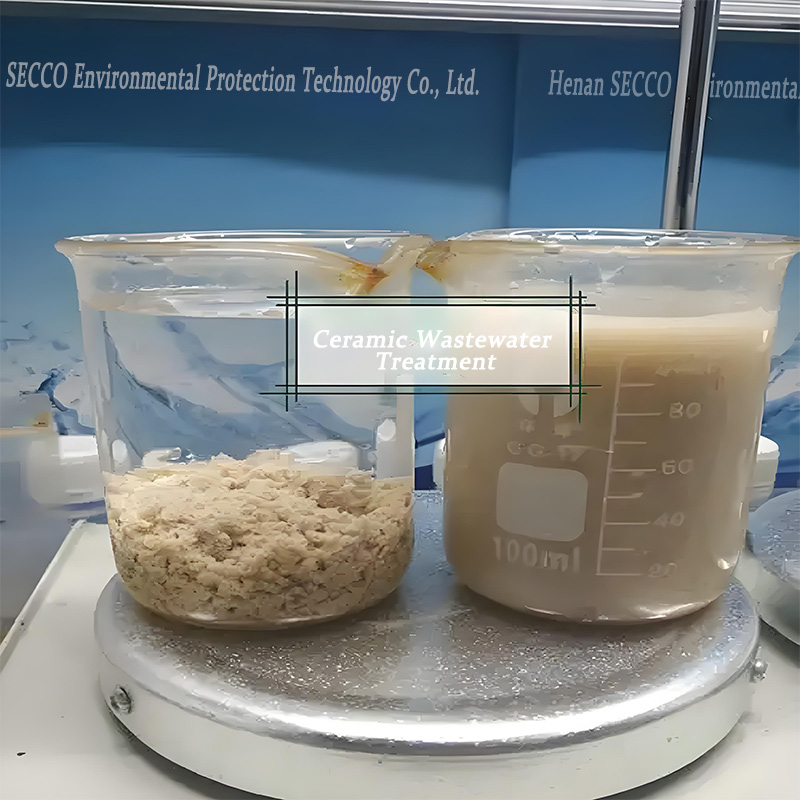
Struggling with efficient piling slurry treatment? The right polyacrylamide (PAM) flocculant can transform your process—enhancing dewatering efficiency, cutting disposal costs, and ensuring environmental compliance. This guide provides a professional framework for selection, helping you make informed decisions for your construction or drilling projects.
Why PAM Selection is Critical
Piling slurry from bored piles and foundation drilling varies widely based on geology—clay, silt, sand, or mixed soils—each demanding a tailored chemical approach. The correct flocculant delivers:
Rapid solid-liquid separation
Clear water recovery for reuse
Dense, stable sludge cakes for easy disposal
Lower overall treatment costs
Key Selection Factors
1. Ionic Type: The Primary Decision
Cationic PAM (CPAM): Often the most effective. Neutralizes negatively charged clay and organic particles via electrostatic attraction, destabilizing colloids.
Anionic PAM (APAM): Suitable for sand-dominated slurries or when used after inorganic coagulants (e.g., aluminum salts). Functions mainly through polymer bridging.
Non-ionic PAM (NPAM): Useful in highly acidic or alkaline conditions due to pH tolerance.
Recommendation: Start testing with medium-to-high cationicity PAM (40–60%), especially for clay-rich, viscous slurries.
2. Molecular Weight: Influencing Floc Size & Settling Speed
High (>15 million): Forms large, strong flocs that settle quickly—ideal for rapid dewatering.
Medium: Balances bridging ability and diffusion.
Low: Rare in dewatering; more common as a thickener.
3. Ionic Degree (Cationic PAM): Matching Slurry Characteristics
Low (10–30%): Emphasizes polymer bridging; good for mixed soils.
Medium-High (40–60%): Strong charge neutralization; excellent for clay-rich, fine-particle slurries.
High (>60%): Typically for municipal sludge under high-pressure filtration.
4. Physical Form: Powder vs. Emulsion
Powder PAM: Cost-effective for large-scale projects; requires proper dissolution (40–60 min mixing). Shelf life: ~2 years.
Emulsion PAM: Faster dissolution (5–10 min), easier handling for temporary sites. Higher cost per unit; shelf life: ~6 months.
Step-by-Step Selection Method
Phase 1: Laboratory Jar Testing – Essential First Step
Sample Collection: Obtain fresh slurry from active drilling points or slurry pits.
Initial Assessment: Note color, viscosity, texture (gritty = sandy; smooth/sticky = clay-rich).
Test Multiple Products: Prepare 0.1% solutions of various PAM types (e.g., Cationic 30%, Cationic 50%, Anionic).
Controlled Mixing: Add equal doses to identical slurry volumes. Use rapid mixing (200 rpm, 30 sec) followed by slow mixing (50 rpm, 60 sec).
Evaluate: Monitor floc formation rate, size/density, supernatant clarity, and mud line definition.
Phase 2: Optimization & Field Trial
Dosage Optimization: Identify the minimum effective dose; overdosing can re-stabilize colloids.
Process Integration: Determine optimal injection points and mixing energy for your equipment.
Equipment Compatibility: Ensure PAM performs well with your dewatering screens, centrifuges, or filter presses.
Best Practices for Application
Dissolution: Use clean water. For powder PAM, employ automatic dosing with controlled agitation to prevent “fish eyes.”
Dosage Range: Typically 0.1‰ to 1‰ (dry polymer to slurry weight). Jar testing identifies the precise optimum.
System Integration: Use PAM alongside mechanical separation equipment for complete wastewater treatment.
Environmental & Economic Benefits
Water Recovery: Recycle 80–90% of process water, reducing freshwater demand.
Waste Reduction: Decrease sludge volume by 50–70%, lowering transport and disposal costs.
Compliance: Produce stackable, stable cake meeting landfill criteria.
Efficiency: Accelerate dewatering to maintain project schedules.
Partner with Experts for Tailored Solutions
As a leading PAM manufacturer and supplier, we offer:
Free sample testing across multiple PAM grades
On-site technical support and process optimization
Customized products for extreme soil conditions
Global shipping for domestic and international projects (PAM export)
Don’t leave slurry treatment to chance. Contact us today for a free slurry analysis and product recommendation tailored to your specific geology and equipment.
If you are interested in our products or have any questions, please fill in the form below. We will contact you immediately after receiving it. Thank you for your choice

Tel:+86 18703633076
Email: secco@hnsecco.com
WhatsApp:8618703633076
 Polish
 Russian
 French
 UAE
UAE farsi
farsi belarusian
 Danish
 German
 Filipino
 Finnish
 Sanskrit
 Korean
 Dutch
Dutch Haitian
 Kyrgyz
 galician
 Czech
Czech Latin
Latin Lao
Lao Romanian
 Lingala
 Luganda
 Kinyarwanda
 Lithuanian
 Malay
Malay Bur
Bur Marathi
 Macedonian
 Bengali
 Norwegian
 Nepali
 Portuguese
 Japanese
 Swedish
 Serbian
 Slovak
 Slovenian
 Somali
 Thai
Thai Shierqi
 Ukrainian
 Welsh
Welsh Greek
Greek Hungarian
 Hawaiian
 Hindi
Hindi Indonesian
 Italian
 Vietnamese